
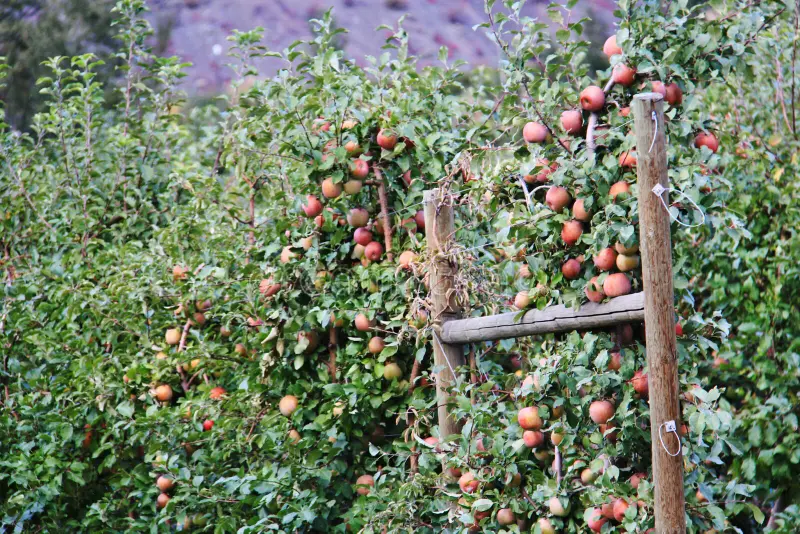
For many growers, the attraction of gages lies in their balance of sweetness and fragrance. When fully ripe, they develop a rich, almost honeyed taste that is noticeably different from standard dessert plums. Their relatively compact trees also suit the smaller gardens typical of many British homes, making them practical as well as rewarding.
Interest in heritage fruit varieties has also played a role in renewed attention towards gages. As gardeners increasingly seek traditional cultivars and distinctive flavours, older fruit types once common in cottage orchards are returning to prominence. Gages fit comfortably into this movement because many of their varieties have been cultivated in Britain for centuries.
Modern gardeners are now exploring these fruits again, often discovering that they perform well in the country’s mild climate. Their ability to ripen during the warmer late-summer weeks means they often reach peak flavour without requiring the intense heat demanded by some other stone fruits.
Professional nurseries that focus on traditional fruit trees often see renewed curiosity about gages from gardeners who want something slightly different from standard plum varieties. The fruit trees specialists at ChrisBowers note that interest has increased steadily as gardeners rediscover heritage orchard fruits.
According to the fruit trees specialists at ChrisBowers, many gardeners begin their search by looking for gage trees for sale when planning a small orchard or replacing older plum trees. Their advice is that choosing well-established varieties remains the most reliable route to success. Cultivars that have been grown in Britain for decades have already proven their ability to handle the country’s climate and soil conditions.
They also emphasise the importance of correct siting. Gages benefit from a warm, sunny position, ideally sheltered from strong winds. A south- or west-facing wall can provide the additional warmth required to bring fruit to its full sweetness, particularly in northern areas.
Another recommendation is careful pruning during the early years of growth. Establishing a balanced framework of branches helps prevent overcrowding and encourages better air circulation, reducing the risk of disease. Once established, gage trees typically require only light annual pruning to maintain productivity.
For gardeners who may be new to stone fruit cultivation, specialist nurseries often suggest starting with one reliable variety before expanding to others. This approach allows growers to understand how gages behave in their specific garden conditions before adding more trees.
Understanding which varieties are worth growing, however, is not always straightforward. The term “gage” covers a range of cultivars, each with its own strengths, flavour characteristics, and suitability for different growing conditions. A closer look at the background of gages, and the varieties that have proven reliable in Britain, helps explain why these understated fruits continue to attract experienced orchard growers.
What Makes a Gage Different
Although commonly grouped with plums, gages belong to a more specialised branch of the plum family. They are believed to have originated in France and were introduced to Britain several centuries ago, where they quickly became valued for their distinctive taste.
The most recognisable feature of gages is their colour. Many varieties are green or yellow-green even when fully ripe, although some cultivars develop a soft golden tone or light red blush. This unusual colouring often leads people unfamiliar with them to assume the fruit is underripe, when in fact the opposite is true.
Texture is another important difference. Gages typically produce very juicy flesh that separates cleanly from the stone when properly ripened. This characteristic makes them particularly suitable for eating fresh, though they are also excellent in jams, preserves and traditional puddings.
Flavour remains the defining trait. Compared with standard plums, gages are notably sweeter and more aromatic. Some varieties carry subtle notes of apricot or honey, while others have a richer, almost confectionery sweetness. This depth of flavour explains why many experienced orchard growers regard them as among the finest dessert fruits available.
Tree habit is also worth noting. Many gage trees grow moderately rather than vigorously, making them suitable for trained forms such as fans or espaliers. This adaptability allows gardeners to grow them against walls or fences where space is limited. In Britain’s cooler regions, such positioning can also help improve ripening by providing extra warmth and shelter.
While gages share much with other plums in terms of care requirements, they often benefit from careful site selection. A sunny, sheltered position encourages good flowering and fruit development. When these conditions are met, even relatively small gardens can produce surprisingly generous harvests.
Why Gages Suit the British Climate
Britain’s climate, often described as temperate and unpredictable, can present challenges for some fruit trees. Late frosts, damp springs and moderate summers may limit the success of heat-loving species. Gages, however, tend to cope well with these conditions.
One reason is their flowering pattern. Many gage varieties bloom slightly later than certain early plums, which can help them avoid the worst of spring frosts. In established orchards across southern England, they have shown consistent cropping even after variable spring weather.
Their ripening period also suits the British growing season. Most gages mature from late August into September, a time when sunlight hours are still long and temperatures are generally warm enough to develop full flavour. This timing allows the fruit to accumulate sugars gradually without excessive heat stress.
Soil tolerance is another advantage. While they prefer fertile, well-drained ground, gage trees adapt to a wide range of garden soils provided waterlogging is avoided. Traditional orchard regions in counties such as Kent, Herefordshire and Worcestershire have demonstrated their ability to thrive under varied conditions.
Another practical benefit for gardeners is their manageable growth. Compared with vigorous apple trees, gages often remain more compact, especially when grafted onto suitable rootstocks. This makes them easier to prune and maintain, particularly in domestic gardens where space is limited.
Finally, their pollination requirements are generally straightforward. Several gage varieties are self-fertile, meaning they can produce fruit without needing a second tree nearby. Others benefit from cross-pollination but still crop reasonably well in mixed orchards where different plum relatives grow together.
Taken together, these qualities explain why gages have remained quietly dependable in British gardens for generations.
Five Gages Worth Growing in Britain
Several gage varieties have established particularly strong reputations among British orchard growers. While many others exist, a handful consistently stand out for flavour, reliability and adaptability.
The first and perhaps most celebrated is the classic Green Gage. Often considered the benchmark against which all other gages are measured, this variety produces small green fruits with intensely sweet flesh. Its flavour has been praised for centuries and remains one of the finest among dessert fruits. The tree benefits from a warm position but rewards careful growers with exceptional harvests.
Another dependable choice is Cambridge Gage. This variety is widely regarded as easier to grow than the traditional Green Gage while still offering excellent flavour. The fruit is slightly larger and often ripens a little more reliably in cooler summers, making it suitable for many parts of Britain.
Denniston’s Superb is another highly respected cultivar. Originating in North America but widely grown in Britain, it produces attractive greenish-yellow fruits with a rich, sugary taste. The tree is known for being vigorous and productive, often cropping well even when weather conditions are less than ideal.
For gardeners seeking a slightly different appearance, Golden Gage offers a striking option. As its name suggests, the fruit develops a warm golden colour when ripe. The flavour remains sweet and aromatic, while the tree tends to be productive and relatively straightforward to grow.
Finally, Oullins Golden Gage provides an early-ripening alternative. Although technically closer to a plum-gage hybrid, it has long been associated with the gage family in British orchards. Its large yellow fruits ripen earlier than most gages and are particularly useful in cooler regions where late-season ripening may be uncertain.
Gardeners exploring heritage orchards or browsing nursery catalogues may still encounter listings describing gage trees for sale, often including these well-known cultivars alongside rarer historical varieties.
Establishing and Caring for Gage Trees
Planting a gage tree successfully begins with careful preparation of the planting site. As with most fruit trees, good soil structure is essential. Well-drained ground enriched with organic matter encourages healthy root development and supports steady growth during the early years.
Autumn and winter are generally the best times to plant bare-root trees in Britain. Planting during the dormant season allows roots to settle before spring growth begins. Container-grown trees can be planted at other times of year provided they are watered consistently.
Initial pruning focuses on shaping the tree. Creating an open structure allows sunlight to reach developing fruit and improves air movement within the canopy. This reduces the likelihood of fungal diseases that sometimes affect stone fruits during damp seasons.
Feeding is usually straightforward. A balanced fertiliser applied in spring can support healthy growth, while organic mulches help retain soil moisture and improve fertility over time. Excessive feeding should be avoided, as overly vigorous growth may reduce fruit production.
Pest and disease issues tend to be manageable with attentive care. Aphids, plum moth and occasional fungal diseases may appear, but healthy trees growing in suitable conditions usually recover well. Good garden hygiene, including removing fallen fruit and pruning out damaged wood, helps maintain tree health.
Once established, gage trees reward patience. They may take a few years to produce substantial crops, but mature trees can yield generous harvests season after season. For gardeners exploring traditional orchard fruits, searching for gage trees for sale often marks the beginning of a long-term and satisfying addition to the garden.
A Place for Gages in the Modern Garden
Despite their long history, gages remain surprisingly under-represented in modern gardens. Much of this may be due to their relative absence from supermarkets, where uniform commercial varieties dominate fruit displays. As a result, many gardeners simply have not encountered them.
Yet the qualities that once made gages popular in traditional orchards remain highly relevant today. Their manageable size suits contemporary gardens, and their outstanding flavour appeals to those seeking fruit that cannot easily be purchased elsewhere.
They also align well with the growing interest in heritage gardening. Cultivating older fruit varieties connects modern growers with centuries of horticultural tradition. Many gage cultivars grown today have histories stretching back hundreds of years, linking present-day gardens with the orchards of earlier generations.
Furthermore, gages contribute to biodiversity within domestic landscapes. Flowering trees provide early nectar for pollinators, while mature trees create habitat for birds and beneficial insects. In mixed orchards alongside apples, pears and cherries, they add variety both visually and ecologically.
For gardeners willing to give them the right conditions, gages offer rewards that go far beyond novelty. A well-ripened gage picked directly from the tree delivers a flavour that few other fruits can match. This simple experience continues to convince many orchard specialists that these understated fruits deserve a wider place in British gardens.
In an era when gardeners increasingly seek authenticity and flavour, the quiet appeal of gages may well lead to a broader revival. Their long record of success in Britain suggests they are not merely relics of historic orchards but enduring fruit trees capable of thriving in modern gardens for decades to come.
