
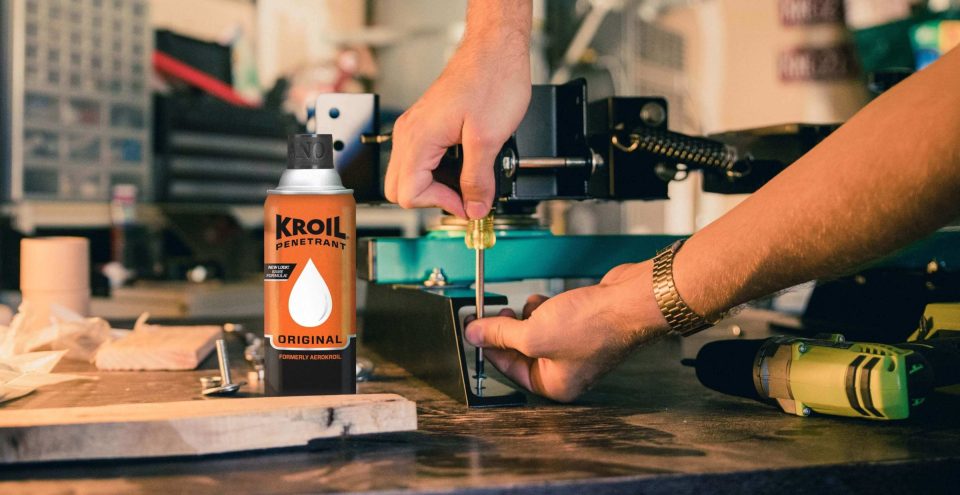
Every mechanical project, whether it involves repairing a vintage tractor in the barn or performing routine brake maintenance on a daily driver, eventually hits the same roadblock: a seized fastener. You apply pressure, the wrench slips, and the bolt remains stubbornly fused to its housing. The culprit is almost always rust—a relentless chemical process that binds metal surfaces together at a molecular level.
In these moments, brute force is rarely the answer. In fact, relying solely on muscle often results in snapped bolts, which turns a thirty-minute repair into a multi-day ordeal involving extractors and drills. The key is chemical intervention. Finding the best penetrating fluid for your specific application can be the difference between a successful repair and a major mechanical headache.
Understanding How Penetrants Work on Corroded Hardware
To understand why some fluids outperform others, you first need to understand the nature of the bond. When steel hardware is exposed to moisture and oxygen, it forms iron oxide—rust. This substance is porous, but it is also expansive; it takes up more space than the original steel, creating a “wedge” effect that locks threads together.
A high-quality penetrant is designed to address two primary obstacles: friction and adhesion. The best penetrant for rusted bolts functions through a process called capillary action. Much like how a sponge absorbs water, a low-surface-tension fluid can wick its way into the microscopic crevices between the threads and the rust layer. Once it reaches the interface, it works to lubricate the connection and break the chemical bonds holding the iron oxide to the base metal.
Evaluating Key Performance Metrics
Not every fluid in a spray can is created equal. When evaluating options, professional mechanics and industrial technicians look for several specific properties.
Low Surface Tension and Viscosity
If a fluid is too thick, it will simply sit on top of the bolt head, failing to penetrate the critical thread engagement area. The most effective formulas possess extremely low viscosity, allowing them to migrate deep into tight tolerances. If you are choosing the best penetrating fluid for a delicate job, look for products that demonstrate “creep”—the ability to spread rapidly across vertical and overhead surfaces.
Corrosion Inhibition
Once the fastener is removed, you do not want the underlying metal to flash-rust immediately. Advanced formulations often contain anti-corrosive additives that leave a protective film behind, which can prevent the problem from returning.
Solvent vs. Lubricant Base
There is a distinct difference between a cleaner and a lubricant. Some sprays are heavy on solvents, which excel at washing away grease but provide little long-term lubrication. Others are oil-based, which offer superior friction reduction but might take longer to work. Often, the best penetrant for rusted bolts combines both: a volatile solvent to cut through debris and a high-grade oil that remains to lubricate the threads as you back the bolt out.
Proven Strategies for Dealing with Stubborn Fasteners
Simply spraying a product and immediately reaching for the impact wrench is a recipe for failure. Penetrating fluids require time to work. In severe cases, the chemical reaction is not instantaneous; it requires minutes, or sometimes hours, to fully saturate the corrosion.
The Heat and Cool Cycle
Thermal shock is an excellent companion to chemical penetration. If a bolt is particularly stubborn, heat the surrounding area gently (if safe to do so), then apply the best penetrating fluid while the metal is warm. As the part cools, the metal contracts, which can actually help draw the fluid deeper into the threads.
Vibration
If the bolt is accessible, a few light taps with a hammer on the head of the bolt can help disrupt the rust layer, creating microscopic paths for the penetrant to follow. This physical agitation increases the efficiency of the chemical treatment significantly.
Proper Application Technique
When applying these products, avoid “flooding” the area. Instead, apply a precise stream to the interface where the fastener meets the mating surface. If the fastener is vertical, the fluid will naturally migrate downward. If the fastener is horizontal or inverted, you may need to apply the fluid, wait ten minutes, and reapply to ensure deep saturation.
Comparing Liquid Penetrants and Synthetic Alternatives
In recent years, the market has seen a rise in synthetic lubricants and biodegradable formulas. While traditional oil-based penetrants remain the gold standard for many, synthetic alternatives often offer better temperature stability and are more environmentally friendly.
When selecting the best penetrant for rusted bolts, consider the environment. If you are working in a shop with high heat—such as around exhaust manifolds or engine blocks—look for a product with a high flash point. Conversely, if you are working on sensitive plastic or rubber components, ensure your chosen fluid is compatible with non-metal materials, as some heavy-duty solvents can degrade seals and gaskets.
When to Seek Professional Assistance
There is a threshold where chemical help is no longer sufficient. If you have applied the best penetrating fluid available, used heat cycles, and still feel the bolt “spongy” under torque, stop. A fastener that feels soft or elastic is on the verge of snapping.
At this stage, attempting to force the issue risks shearing the bolt flush with the surface, which necessitates drilling, tapping, and potential repair of the hole. For professional-grade repairs, especially when dealing with critical components like cylinder heads, suspension mounting points, or exhaust studs, it is wiser to defer to a machine shop or a certified technician. They have access to specialized induction heaters and high-strength mechanical extractors that go far beyond what a standard homeowner or DIY enthusiast can accomplish in a garage.
Long-Term Maintenance and Prevention
The best way to deal with rusted bolts is to prevent the rust from forming in the first place. Whenever you install a new bolt, especially in high-moisture areas like under-carriages or outdoor machinery, use an anti-seize compound. These pastes create a physical barrier that prevents moisture and oxygen from reaching the threads, ensuring that the next time you need to remove the fastener, it will come out with ease.
Furthermore, make it a habit to perform “preventive maintenance” on hardware. During seasonal vehicle checks or equipment inspections, a quick spray of a high-quality lubricant on exposed threads can inhibit corrosion before it becomes a structural issue.
Final Thoughts on Chemical Selection
Choosing the right tool is an essential part of any repair, and that includes the chemicals on your workbench. Whether you are dealing with a light surface rust on a lawnmower deck or a heavily oxidized suspension bolt on a vehicle, take the time to evaluate the severity of the corrosion and the temperature of your working environment.
By utilizing the best penetrating fluid for the job, applying it with patience, and using the correct mechanical techniques, you shift the odds in your favor. You are no longer fighting the metal; you are using chemistry to dissolve the barrier, allowing the fastener to do what it was intended to do: be removed.
