
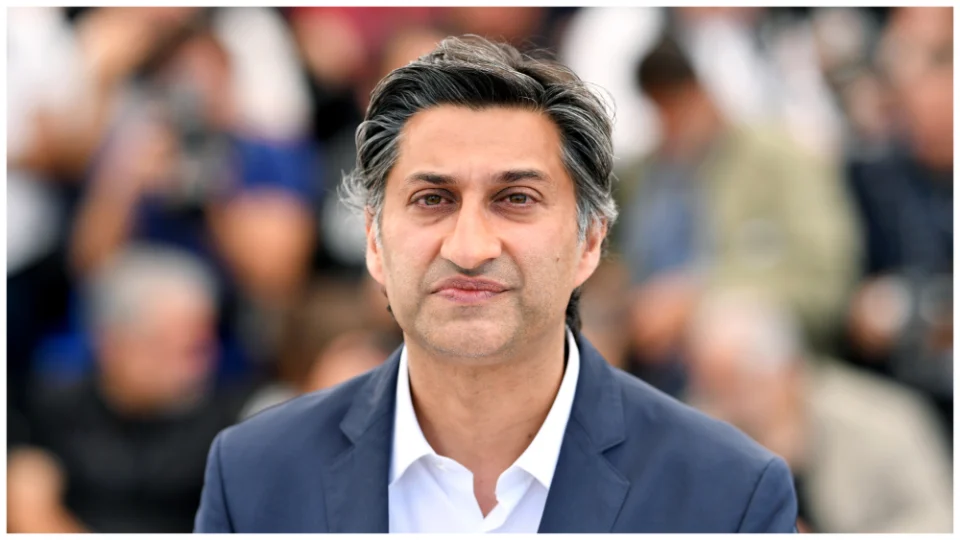
Asif Kapadia has carved a singular path in contemporary cinema by rejecting traditional storytelling conventions in favor of visually arresting, emotionally rich documentary experiences. His distinctive approach—constructing narratives entirely from archival material and voiceovers—has earned him global recognition, particularly for his portraits of cultural icons. With films like Amy, Senna, and Diego Maradona, Asif Kapadia has redefined the boundaries of documentary filmmaking, turning biographical subjects into immersive character studies that transcend genre labels.
At the core of Asif Kapadia’s method is an unwavering focus on memory—not simply as a theme but as a structural element. Rather than using interviews or commentary in the conventional sense, he reconstructs the lives of his subjects through found footage, home videos, media coverage, and voice recordings. This technique provides a sense of intimacy, allowing audiences to experience the subject’s world without the distraction of traditional narration. In doing so, Kapadia invites viewers to see not just a life story, but the distortion and mediation of fame itself.
This commitment to reinterpreting memory has positioned Asif Kapadia as a filmmaker deeply attuned to the pressures of public scrutiny and media exploitation. In Amy, for example, he avoided romanticizing the singer’s tragic downfall. Instead, he wove together candid moments and unreleased audio to expose how invasive press coverage, familial tensions, and addiction intersected to devastate a remarkably gifted artist. The result was not only a critical and commercial success but also a cultural reckoning with how society treats celebrity vulnerability.
Asif Kapadia’s storytelling choices are rooted in a broader interest in power dynamics—how institutions, public opinion, and systemic forces shape individual fates. In Senna, the life of Brazilian Formula One driver Ayrton Senna is framed not simply as a sporting triumph but as a struggle against regulatory authorities and internal team politics. The film traces Senna’s philosophical and patriotic convictions, ultimately highlighting the isolation that often accompanies greatness. The tension between individual will and institutional constraint recurs in much of Kapadia’s work.
What distinguishes Asif Kapadia’s documentaries is their cinematic quality. Despite the reliance on archival content, each film carries a strong visual signature. The editing is rhythmic and deliberate, mirroring the emotional tone of the subject’s arc. Sound design, too, plays a crucial role—dialogue and ambient sounds are layered to create a sensory environment that draws viewers into the internal worlds of his subjects. This attention to atmosphere allows his films to function not just as biographies, but as emotional journeys.
In addition to his celebrated documentaries, Asif Kapadia has also directed dramatic features, demonstrating his versatility across narrative forms. His early feature The Warrior—a mythic tale filmed in India—garnered a BAFTA and remains notable for its non-Western storytelling and meditative pace. The film reveals a sensitivity to visual language and a respect for cultural nuance that would later inform his documentary work. His television contributions, including episodes of Mindhunter and 1971: The Year Music Changed Everything, further showcase his ability to adapt his vision to diverse formats and subjects.
The recurring presence of outsiders in his films reflects Asif Kapadia’s own journey through the British film industry. Raised in Hackney by Indian immigrant parents, he has frequently spoken about the challenges of navigating a system that has historically marginalized filmmakers of color. His focus on marginal voices is not coincidental—it is a reflection of his belief that storytelling must include those often overlooked or silenced. This perspective lends his work both political weight and human depth.
Asif Kapadia has also been recognized for his contributions to public discourse on the intersection of technology, media, and identity. Whether speaking at festivals, academic events, or industry panels, he emphasizes the ethical responsibilities of storytellers in an age of rapid information and visual overload. His advocacy for creative independence and ethical representation continues to influence a new generation of filmmakers.
In blending memory with structure, and ethics with aesthetics, Asif Kapadia continues to redefine what documentary cinema can achieve. His work offers more than biography; it presents a mirror to the systems that elevate, exploit, and sometimes destroy the very people they claim to celebrate. By giving shape to lives through fragments, he has created a filmic language uniquely his own—poetic, unsparing, and profoundly human.
