
Introduction
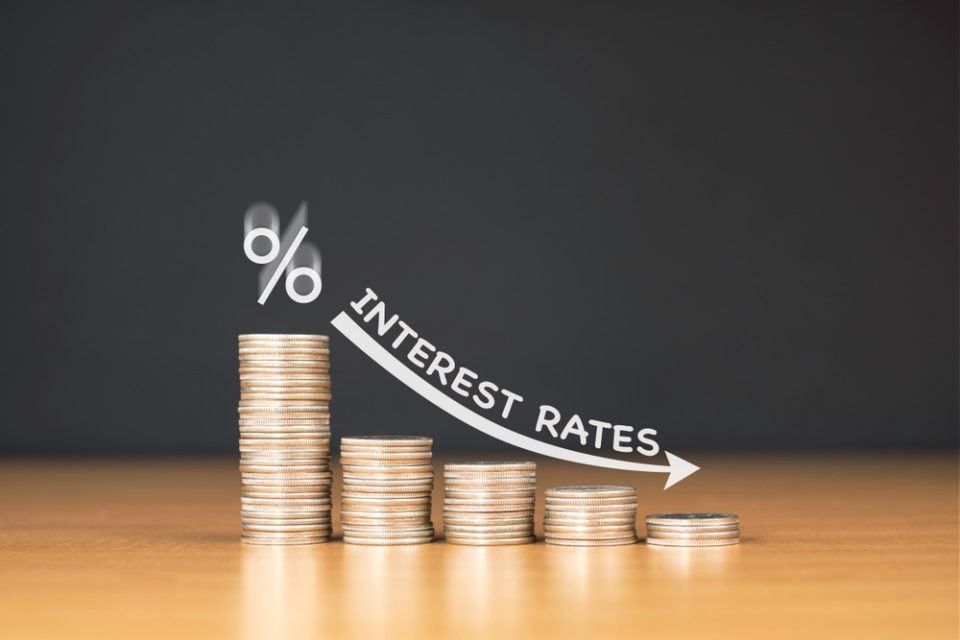
Interest rates significantly impact the total cost of borrowing. A difference of even 1-2% on your personal loan interest rate can translate to thousands of rupees saved over the loan tenure. While lenders set baseline rates based on risk assessment and market conditions, borrowers often have room to negotiate better terms. Understanding how rate determination works and which factors influence lending decisions can help you secure more favourable interest rates on your personal loan.
Understanding How Interest Rates Are Determined
Personal loan interest rates vary based on multiple factors that lenders evaluate during the application process. Your credit score plays a primary role—borrowers with scores above 750 typically qualify for lower rates as they represent lower risk. Lenders also assess your income stability, existing debt obligations, and employment history to gauge repayment capacity.
Market conditions and the lender’s cost of funds influence baseline rates. When repo rates set by the central bank increase, lending rates typically rise accordingly. Your relationship with the financial institution matters too—existing customers with good track records may receive preferential pricing.
The loan amount and tenure you choose affect the rate offered. Shorter tenures often come with lower interest rates, while longer repayment periods may carry higher rates due to extended risk exposure. Your debt-to-income ratio—the percentage of monthly income going towards debt repayments—is another critical factor lenders examine.
Practical Strategies to Negotiate Better Rates
Build Your Negotiating Position
Before approaching lenders, review your credit report for errors and address any discrepancies. A clean credit history strengthens your negotiating power. Maintain a credit utilisation ratio below 30% and ensure all existing EMIs are paid on time for at least six months before applying.
Compare offers from multiple lenders to understand prevailing market rates. Use lower quotes as leverage when negotiating. If you have a strong employment history with a reputed organisation, highlight this—stable income sources reduce perceived lending risk.
Timing Your Application
Apply when you have demonstrable financial stability. A recent salary increment, promotion, or reduced debt burden improves your profile. Avoid applying immediately after job changes or during periods of income volatility.
Consider applying during promotional periods when lenders offer reduced rates to attract customers. End of financial quarters or festive seasons often see competitive rate offerings.
Leverage Existing Banking Relationships
If you maintain savings accounts, fixed deposits, or investment portfolios with a bank, use this relationship as a negotiating point. Long-standing customers with healthy account activity may qualify for rate concessions. Pre-approved loan offers to existing customers sometimes come with better terms than standard applications.
Negotiate Loan Structure
While the base interest rate may have limited flexibility, you can negotiate processing fees, prepayment charges, and other associated costs. Reducing these charges effectively lowers your overall borrowing cost. Request waiver of documentation charges or reduced processing fees if the interest rate cannot be adjusted.
Consider offering collateral for an unsecured personal loan—converting it to a secured loan often results in significantly lower interest rates. If you’re borrowing a substantial amount, highlight this—larger loan values may qualify for preferential pricing.
Conclusion
Negotiating a lower personal loan interest rate requires preparation, timing, and strategic positioning. By understanding rate determinants and presenting yourself as a low-risk borrower, you improve chances of securing favourable terms. Compare multiple offers, leverage your financial stability, and don’t hesitate to negotiate beyond just the interest rate. Even small reductions in rates or fees can result in substantial savings over your loan tenure, making the negotiation effort worthwhile.
