
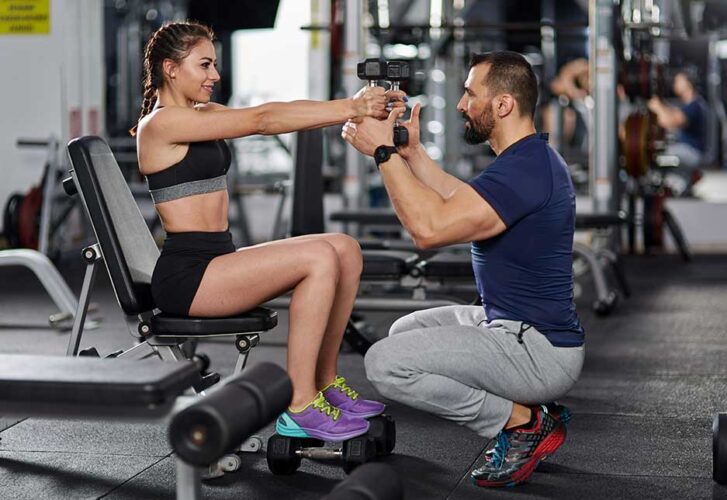
Becoming a fitness trainer Singapore is not just about knowing exercises or motivating clients. Behind the visible energy of workouts lies a framework of professional standards, regulations, and responsibilities. Trainers are expected to provide safe, ethical, and effective guidance. This requires not only skill and experience but also a solid understanding of legal obligations, insurance protection, and industry best practices.
For clients, understanding these standards ensures that they work with credible professionals who can safeguard their wellbeing. For trainers, complying with regulations and maintaining professionalism builds trust and long-term career sustainability. In Singapore’s competitive fitness industry, professional conduct separates serious trainers from casual hobbyists.
The Importance of Regulations in Fitness Training
Unlike heavily regulated industries such as medicine or law, personal training in Singapore operates under lighter regulatory frameworks. However, this does not mean that there are no standards or responsibilities. Trainers must align with guidelines on safety, liability, and ethical practices.
These regulations matter because:
-
Clients trust trainers with their physical safety.
-
Fitness involves risks, especially for beginners or those with health conditions.
-
Professional standards protect both clients and trainers from misunderstandings.
-
Regulatory compliance enhances the credibility of the industry.
While not all regulations are set by government bodies, many are industry-driven, supported by professional associations and global certifications.
Certification and Qualification Standards
In Singapore, there is no single mandatory national licence to operate as a personal trainer. However, most professional gyms and fitness institutions require trainers to hold recognised certifications. Popular certifications include:
-
ACE (American Council on Exercise)
-
NASM (National Academy of Sports Medicine)
-
NSCA (National Strength and Conditioning Association)
-
ACSM (American College of Sports Medicine)
These certifications ensure that trainers understand exercise science, programme design, injury prevention, and client assessment. Trainers are also encouraged to pursue continuous education through workshops and specialised courses, such as pre/postnatal fitness, corrective exercise, or sports-specific training.
For clients, checking certification is one of the easiest ways to verify a trainer’s credibility.
Insurance and Liability Coverage
Insurance is a cornerstone of professional practice. In Singapore, responsible trainers carry liability insurance that protects them if a client is injured during a session. This ensures that:
-
Clients can train with peace of mind.
-
Trainers are financially protected in case of accidents.
-
Facilities maintain compliance with safety standards.
Common types of insurance include:
-
Public liability insurance: Covers accidents occurring during sessions.
-
Professional indemnity insurance: Protects trainers if clients claim negligence.
-
Equipment insurance: Covers damage or accidents involving training tools.
Trainers who conduct freelance sessions in parks, homes, or studios particularly need proper coverage, as they operate outside the controlled environment of larger gyms.
Ethical Standards and Client Care
Beyond regulations and insurance, professional ethics define how trainers should behave. In Singapore’s fitness industry, key ethical expectations include:
-
Client-first approach: Training plans should prioritise client safety and goals, not the trainer’s preferences.
-
Transparency: Pricing, packages, and expectations must be communicated clearly.
-
Boundaries: Professional distance must be maintained to avoid conflicts of interest.
-
Confidentiality: Personal and health information must remain private.
-
Honesty: Trainers should not exaggerate qualifications or guarantee unrealistic results.
Trainers who consistently follow ethical practices earn stronger reputations and long-term trust.
Professional Standards in Safety
Safety is at the heart of personal training professionalism. Trainers are expected to:
-
Conduct thorough assessments before starting programmes.
-
Identify red flags such as joint pain, heart conditions, or post-surgery limitations.
-
Provide progressive training to avoid injuries.
-
Maintain updated knowledge of first aid and CPR.
Many gyms in Singapore require trainers to hold CPR/AED certifications as part of their professional standards. This ensures that trainers are prepared for emergencies.
The Role of Industry Associations
While Singapore does not have a single national governing body, several industry associations influence standards. Global organisations such as ACE, NASM, and ACSM provide frameworks for ethical and professional conduct. Locally, fitness communities and training institutions also establish expectations for trainers working in their facilities.
Membership in these associations demonstrates commitment to professional growth and accountability. It also helps trainers stay updated with the latest research and best practices.
Facility Standards and Trainer Conduct
Large gyms and training centres have their own regulations for trainers. These may include:
-
Dress codes and hygiene requirements.
-
Policies on punctuality and professionalism.
-
Rules for using equipment and training spaces.
-
Standards for interacting with clients in shared environments.
Facilities that enforce these standards create safe and consistent experiences for clients. Trainers working in such gyms often benefit from the reputation of the facility while also contributing to its credibility.
The Business Side of Professionalism
Professional standards also extend to business practices. Freelance trainers in Singapore must manage:
-
Transparent contracts with clients.
-
Clear refund and cancellation policies.
-
Proper tax reporting and financial records.
-
Honest marketing without misleading claims.
This business discipline not only protects clients but also strengthens the trainer’s reputation as a reliable professional.
The Role of True Fitness in Upholding Standards
Facilities like True Fitness Singapore help set benchmarks for professionalism. By employing certified trainers, maintaining structured safety protocols, and providing professional environments, they reinforce trust between trainers and clients. For clients, choosing a trainer within such an ecosystem ensures a higher level of accountability and peace of mind.
FAQs About Regulations and Professional Standards in Singapore Personal Training
Q. Is it compulsory for trainers in Singapore to have certifications?
A. Legally, it is not mandatory, but most gyms and reputable facilities require certifications. Clients are strongly encouraged to choose trainers with internationally recognised qualifications for safety and credibility.
Q. Do trainers in Singapore need liability insurance?
A. Yes, professional trainers typically carry liability insurance to protect both themselves and clients. Freelancers especially should not operate without proper coverage.
Q. What happens if a client gets injured during a training session?
A. Responsible trainers follow safety protocols and provide immediate first aid. Liability insurance covers medical costs if negligence is proven. Trainers without coverage put both themselves and their clients at risk.
Q. How can clients verify if a trainer is professional and ethical?
A. Clients should ask about certifications, insurance, and past client experience. Observing punctuality, communication, and transparency also reveals professionalism.
Q. Are there official government regulations for personal trainers in Singapore?
A. There is no single government licence for trainers, but industry standards and facility policies regulate the profession. Certifications, insurance, and ethical codes form the backbone of accountability.
