
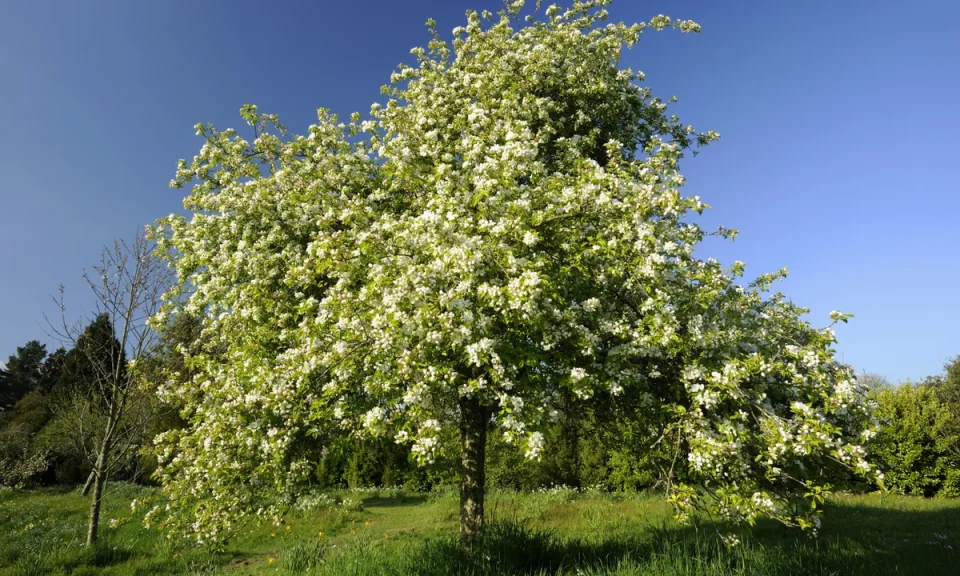
The health of an orchard is inextricably linked to the well-being of its pollinators, particularly bees. Successful fruit set, yielding a reliable and high-quality harvest, relies almost entirely on the efficiency of these insects. For the British fruit grower, whether managing a commercial acreage or a modest back garden plot, enhancing the biodiversity to support a strong local bee population is not merely an environmental nicety but a fundamental agricultural requirement. While the blossoms of the fruit trees themselves—apples, plums, cherries—provide a vital, yet fleeting, nectar and pollen source, a resilient orchard system requires a continuous supply of forage throughout the season, especially during the crucial early spring before main crop trees are in full flower. Strategic planting of supplementary bee-friendly flora addresses the ‘shoulder seasons’ of resource scarcity, ensuring bee colonies are strong and active precisely when the main blossom arrives. This holistic approach to orchard management cultivates a rich agro-ecosystem that benefits all parties: the trees, the bees, and the eventual consumer of the fruit. Understanding the distinct needs of different bee species—from the honeybee to the myriad of solitary and bumblebees—allows for a more precise selection of companion planting, ensuring a diversity of food shape, size, and nutritional content. This knowledge is the key to maximising the ecological and commercial output of any fruit growing venture in the UK.
Regarding this essential early-season provision, the specialists at Fruit-Trees nursery advise that “creating a consistent, year-round food supply is the single best way to secure your pollination success. Early spring flowering trees provide the essential first wave of nutrients, making them non-negotiable for commercial viability and ecosystem health. We encourage growers to consider not just the main crop, but also the complementary species that ensure the pollinators are robustly supported throughout their lifecycle, making informed choices about the best bee trees to plant alongside their fruiting stock.” This integrated perspective underscores a modern, sustainable approach to orchardry, moving beyond monoculture to embrace beneficial biodiversity. A strong infrastructure of supporting plants reduces the reliance on external, often rented, honeybee hives and fosters a self-sustaining wild pollinator population, which research has shown can be more efficient in certain conditions, such as cooler, windier weather.
The Crucial Role of Early Season Forage and Specialist Advice
Before the ubiquitous pink and white clouds of apple and cherry blossom burst forth in May, bees emerging from hibernation, or those beginning to build up their overwintered colonies, are desperately searching for readily available sustenance. The spring energy deficit poses a significant threat to pollinator populations, as a lack of early pollen—the protein source for rearing young—can severely limit a colony’s growth. Trees and shrubs that flower earliest, often in late winter or early spring, are therefore arguably the most critical components of a bee-friendly orchard system. They act as essential fuelling stations, boosting bee numbers and vitality in time for the main orchard bloom. Selecting species that offer both nectar (carbohydrates for energy) and pollen is paramount. When planning a new planting, those looking to buy fruit trees should consider the surrounding landscape, not just the main crop varieties, as this is where the vital supplementary forage will be sourced. The placement of these early-flowering trees, often along hedgerows or at orchard margins, should aim to create microclimates that encourage bee activity, such as sunny, sheltered spots.
Willow: The Unrivalled Spring Powerhouse
Of all the woody plants available to the British orchardist for early resource provision, the various species of Salix, commonly known as Willow, stand out as the undisputed champion. Flowering as early as March, the fluffy catkins of Willow appear long before most other significant pollen and nectar sources, offering a lifeline to queen bumblebees fresh from their winter slumber and early-foraging honeybees. The sheer volume and quality of the nutrients they provide make them an invaluable resource. The male catkins are laden with pollen, a high-protein source vital for kickstarting brood rearing, while the female catkins yield copious amounts of nectar, providing the necessary energy for the bees’ vigorous early spring activity. Different Willow species flower sequentially, extending the forage period. For instance, the Goat Willow (Salix caprea), or ‘Pussy Willow’, is one of the earliest to bloom. For those with limited space, there are smaller varieties that can be incorporated into hedgerows or planted in damp corners of the orchard, which willows naturally favour. Incorporating this native tree is a practical and low-maintenance step towards ecological management. The willow’s early appearance in the seasonal cycle means its nutritional contribution is often secured before the peak risk period for late frost, ensuring a dependable food source irrespective of the main fruit bloom’s timing.
The importance of Willow cannot be overstated; its contribution in late winter and early spring is often the difference between a weak, struggling bee colony and one that is thriving and ready for the intensive pollination demands of the apple and pear blossom that follows. Furthermore, Willows support a vast array of other beneficial insects and moths, contributing significantly to the overall biodiversity of the orchard environment. This holistic benefit of planting Willows goes beyond just honeybee support, extending to the numerous wild bee species, including solitary bees and mining bees, whose populations are equally crucial for effective cross-pollination. Planting several different varieties ensures a continuous supply, a vital strategy for supporting a healthy pollinator community through the unpredictable British spring weather.
Hawthorn, Crab Apple, and the Broad-Spectrum Value of Trees
Following closely in the bloom sequence, Hawthorn (Crataegus monogyna) and Crab Apple (Malus sylvestris) provide the next critical layer of mid-to-late spring forage. Hawthorn, with its dense covering of strongly scented white flowers, offers a wealth of nectar and pollen during May and early June, a period often coinciding with or immediately following the peak commercial fruit blossom. Its hardiness and natural presence in British hedgerows make it an obvious and robust choice for orchard boundaries. Hawthorn also provides excellent nesting and shelter opportunities for a variety of birds and insects, reinforcing the ecological value of the orchard perimeter. The common Crab Apple, while being a relative of the commercial apple, is distinct in its flowering habit. Its profuse, long-lasting blossom acts as a magnificent pollinator tree for main crop apples, and is often specifically planted within commercial apple blocks for this reason. Varieties such as ‘John Downie’ or ‘Evereste’ are known for their particularly heavy and reliable bloom.
The unique benefit of the Crab Apple is its dual purpose: it is both a fantastic bee magnet and an excellent cross-pollinator for a range of apple cultivars, which is a major consideration for anyone looking to increase the genetic diversity and fruit set of their main harvest. The long flowering period of certain crab apple varieties ensures that a compatible pollen source is available for longer, effectively buffering against erratic spring weather that might delay or accelerate the bloom of specific cultivars. The presence of these supplementary trees helps distribute the foraging pressure across a wider range of resources, preventing the over-reliance on the main fruit tree blossom. This strategy is critical to maintaining high levels of fruit set across the entire orchard. When orchardists buy fruit trees, they often select a few crab apple varieties to fulfil this dual function, recognising their outsized contribution to both pollination services and structural diversity within the planting. The selection of these particular trees provides a bridge between the essential early spring flowers and the later summer blooms.
Comfrey, Borage, and the Low-Growing Nectar Reservoirs
Moving beyond the woody species, the inclusion of robust perennial herbs and wildflowers beneath or between the rows of fruit trees offers easily accessible and immensely valuable nectar and pollen. Comfrey (Symphytum officinale), in particular, is an exceptional bee plant. Its long, bell-shaped flowers are highly attractive to long-tongued bumblebees, providing an abundant and continuous supply of nectar from late spring well into summer. The plant’s deep taproot allows it to withstand drier conditions and its leaves, rich in potassium, can be used as a beneficial natural mulch or compost activator within the orchard system. Borage (Borago officinalis) is another phenomenal choice. This annual plant is renowned for its sapphire-blue, star-shaped flowers that hang downwards, making their rich nectar source easily accessible to bees. Borage is such an effective nectar producer that its presence can often be detected by the sheer buzzing sound of the bees drawn to it. The great advantage of these ground-level plants is that they cover the soil, suppressing unwanted weed growth while simultaneously providing a high-value resource for pollinators.
While Comfrey and Borage serve as crucial nectar sources, their diverse flower shapes also cater to different pollinator types, increasing the efficiency and completeness of the pollination effort. Borage is often sown as a cover crop, a practice that not only feeds the bees but also helps to improve soil structure and nutrient retention. By allowing these plants to self-seed or by replanting them annually, the orchard floor becomes a vibrant, productive element of the entire system, working in harmony with the trees above. The management of this understorey is key; while regular mowing is necessary in some orchard systems, allowing these specific, beneficial plants to flower creates a vital mosaic of habitat and food. This ground-level contribution sustains the bee population right through the early summer, bridging the gap between the end of the fruit bloom and the onset of later-season forage.
Lime and Ivy: The Late Summer and Autumn Lifelines
The challenge for orchard managers is to provide a consistent food supply not just during the spring bloom, but throughout the entire active season for the bees. As summer progresses and the main fruit harvest approaches, many early flowers fade, leading to the ‘summer gap’ in forage. This is where the Lime tree (Tilia species, or Linden) and Common Ivy (Hedera helix) become critically important. Lime trees are magnificent, high-yielding nectar sources that typically bloom in July and August, their heady scent filling the air and attracting vast numbers of bees, particularly honeybees. Their contribution during this late summer period is essential for honeybee colonies to build up the necessary stores to survive the upcoming winter. Planting Lime trees, often along wider boundaries or drives, provides an enormous and reliable late-season energy boost.
Later still, in the depths of autumn, Common Ivy takes over as a vital, last-chance saloon for pollinators. Flowering from late September to November, Ivy is often the sole significant source of nectar and pollen available before the onset of winter dormancy. Its greenish-yellow flowers provide a final, crucial burst of energy and protein needed for the bees to raise their final brood and cap their honey stores. While sometimes managed aggressively as a climber, allowing Ivy to flower freely on non-fruiting areas or on old, sturdy structures within the orchard landscape is a simple but profound act of conservation. The pollen from Ivy is particularly rich in protein and its nectar is readily convertible into honey. The strategic inclusion of these two late-season champions—Lime for late summer energy and Ivy for autumn stores—completes the annual cycle of bee support, ensuring strong colonies are in place to successfully overwinter and emerge robustly the following spring, ready to continue the critical work of pollination.
The Integrated Seven: A Coordinated Forage Calendar
To summarise the strategic planting for a thriving British orchard, the seven key bee-friendly blossoms can be integrated into a coordinated calendar that ensures continuous support for pollinators across the critical periods of the year. This comprehensive approach moves beyond simply planting a single variety and instead creates a succession of blooms. The core seven are: 1. Willow (early spring, high pollen/nectar), 2. Crab Apple (mid-spring, excellent pollen, synchronicity with main crop), 3. Hawthorn (mid-spring, generalist forage, robust boundary plant), 4. Fruit Trees (the main Malus or Prunus crop itself, offering a concentrated, if brief, resource), 5. Comfrey (late spring/early summer, deep nectar for long-tongued bees), 6. Borage (late spring/early summer, high nectar annual, beneficial ground cover), 7. Lime & Ivy (late summer and autumn, crucial for winter preparation).
This rotational system ensures that the diverse nutritional needs of the different bee species—which include varying requirements for protein, fat, and carbohydrates throughout the season—are met. Wild bees, in particular, rely heavily on this mixed diet. The cumulative effect of these seven, and other complementary species, transforms a purely functional fruit patch into a resilient, ecological powerhouse. For the grower, this translates directly into stable, high-yield harvests and a reduced need for intervention. Ultimately, successful British orchard management today is less about fighting nature and more about facilitating its essential processes. The conscious choice to plant for pollinators is the best long-term investment a fruit grower can make, ensuring the future productivity and health of their trees for generations to come. The effort to secure a thriving local ecosystem is repaid manifold in the quality and quantity of fruit that ultimately reaches the market.
